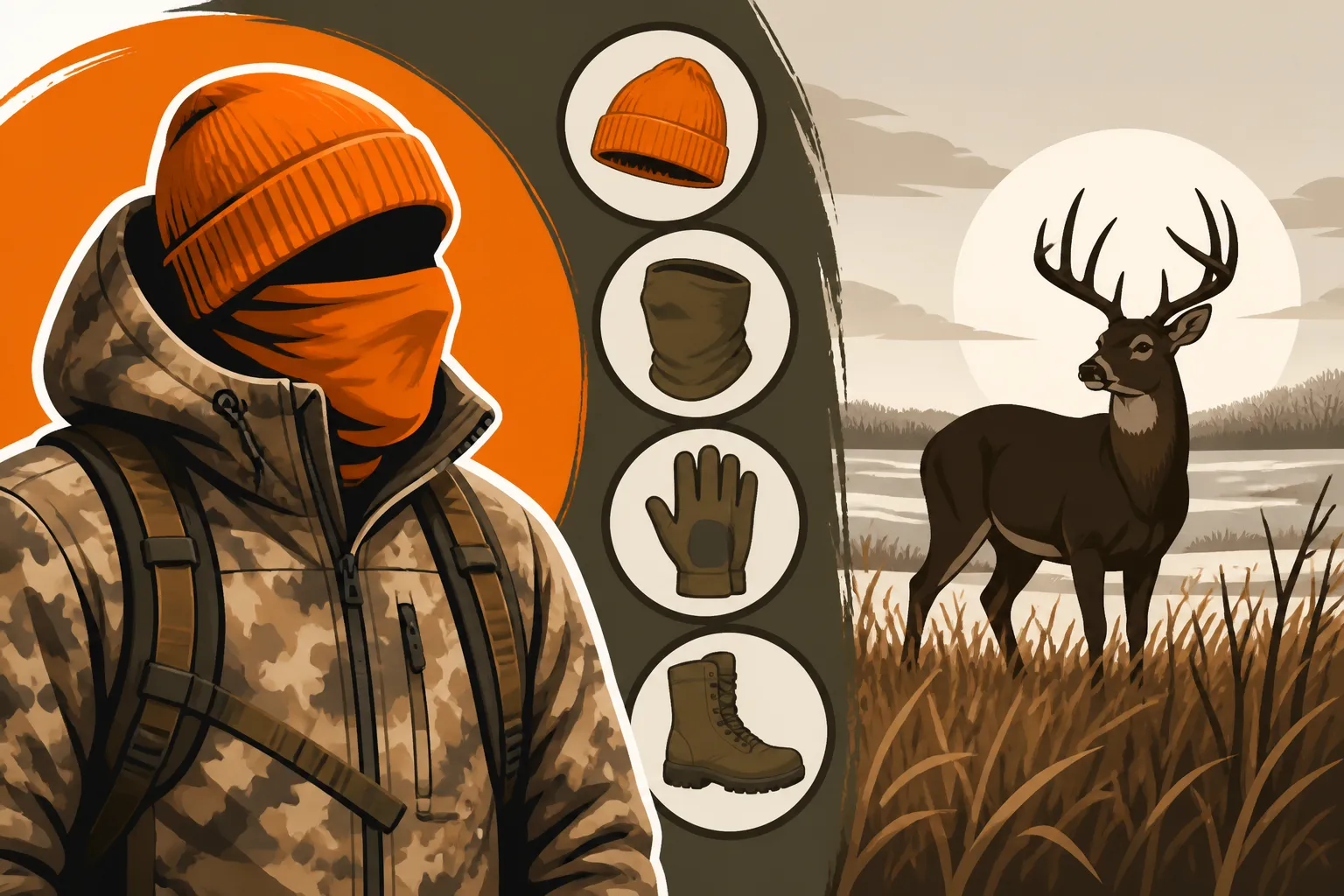
Cold Weather Clothing for Iowa Deer Season
Iowa's deer seasons stretch well into the bitter cold, often transforming what should be an exciting hunt into a shivering ordeal if you're not properly prepared. The harsh realities of late-season hunting, with biting winds and frigid temperatures, can cut a sit short and send you packing long before prime deer movement. This comprehensive guide will equip you with the knowledge to select, layer, and utilize cold weather clothing effectively, ensuring you stay warm, comfortable, and focused on the hunt even when the mercury plummets across the Iowa landscape.
Understanding Iowa's Winter Weather Challenges
Hunting in Iowa during late archery, shotgun, or muzzleloader seasons often means facing some truly brutal weather conditions. It’s not just about staying warm; it’s about strategically combating the unique challenges that Iowa’s winter throws at hunters. Understanding these environmental factors is the first step in building an effective cold weather clothing system. Without a solid grasp of what you're up against, you're essentially guessing, and that can lead to a miserable, and potentially unsafe, experience in the field.
The Bone-Chilling Reality of December and January
Once December rolls around, Iowa fully embraces winter. The crisp air of October and November gives way to temperatures that often dip well below freezing, and single-digit or even sub-zero Fahrenheit readings aren't uncommon, especially with overnight lows. For hunters, this means battling not just the cold, but also the pervasive dampness that can seep into your bones. A still morning might feel tolerable, but as the sun rises, or fails to rise meaningfully, the cold just seems to intensify. This is particularly true when you're sitting motionless in a stand for hours, waiting for that trophy buck. Every minute on stand can feel like an eternity when you're not adequately insulated, leading to a loss of focus and an increased desire to head back to the truck. This is the time of year when those big Iowa bucks are often on their feet, desperately seeking food, so being able to endure the cold for extended periods is absolutely critical to success. This is especially true during Iowa January Antlerless Hunts where deer are often congregated on food sources, but the weather can be at its harshest.
Wind, Snow, and Freezing Rain: More Than Just Cold
Beyond the raw temperature, Iowa's winter weather often brings a combination of elements that can amplify the cold's effect. Wind is arguably the biggest enemy of warmth. A seemingly mild 20-degree day can feel like zero with a stiff 15-20 mph breeze, effectively stripping away any accumulated body heat. This wind chill factor is something every Iowa hunter must account for. Then there's precipitation. Snow, while often beautiful, can quickly dampen outer layers if it's wet, leading to heat loss. Freezing rain or sleet is even worse, as it can quickly saturate clothing, making insulation useless and potentially creating a hazardous situation due as the ice builds up and adds weight. Even a light mist can carry enough moisture to compromise less-than-waterproof outer shells. Your clothing system needs to be robust enough to shed this moisture while still providing superior insulation. Ignoring these factors is a recipe for a truly uncomfortable day in the deer woods.
Maintaining Core Body Temperature on Stand
The primary goal of cold weather clothing is to maintain your core body temperature. When you're actively walking in to your stand, your body is generating a significant amount of heat. The challenge comes when you transition to sitting still for hours, where your metabolic rate drops dramatically, and heat generation plummets. This is where many hunters go wrong, layering up for the walk and then sweating, only to have that moisture turn into a chilling dampness once they stop moving. A truly effective system allows you to manage this heat, preventing both overheating during exertion and subsequent chilling during inactivity. It’s a delicate balance of insulation, ventilation, and moisture management. You need clothing that breathes but still traps warmth, and perhaps most importantly, you need to know how to adjust your layers throughout your hunt. Failing to protect your core can lead to hypothermia, which is not just uncomfortable but genuinely dangerous, especially when hunting alone in remote areas. The right gear helps you endure long hours, like during Late Muzzleloader Deer Hunting in Iowa, increasing your chances of success.
The Foundational Principle: Layering for Success
Forget the idea of one big, heavy coat for ultimate warmth. When it comes to effective cold weather hunting in Iowa, layering is king. It's a dynamic system that allows you to add or subtract insulation based on your activity level and the fluctuating weather conditions. Think of it as building a flexible microclimate around your body, trapping warmth while managing moisture. This approach is far more versatile and effective than a single bulky garment, giving you the control you need to stay comfortable from the chilly walk in to a long, motionless sit.
The Base Layer: Wicking Away Moisture
Your base layer is the foundation of your entire cold weather system, and its primary job is moisture management. This is the layer that sits directly against your skin, and its crucial function is to wick sweat away from your body. Why is this so important? Because wet skin loses heat significantly faster than dry skin. If you sweat during your walk to the stand and your base layer absorbs that moisture, you'll feel clammy and quickly get cold once you stop moving, even if you have plenty of insulation on top. Cotton, while comfortable for everyday wear, is the absolute enemy here; it absorbs moisture and holds it, chilling you to the bone. Instead, you want materials that actively pull moisture away from your skin and allow it to evaporate or pass through to outer layers. This keeps your skin dry, which is paramount for staying warm. Look for performance fabrics specifically designed for wicking. This principle is key for Base Layers for an All-Day Sit.
There are two main contenders for excellent base layers: merino wool and synthetic fabrics. Merino wool is a natural fiber renowned for its incredible softness, warmth-to-weight ratio, and natural odor-fighting properties. It can absorb a surprising amount of moisture without feeling wet or clammy, and it continues to insulate even when damp. Synthetic base layers, typically made from polyester or polypropylene, are often more affordable, highly durable, and excel at rapid moisture transfer. They dry very quickly, which can be a huge advantage. The key is to choose a base layer that fits snugly against your skin without being restrictive, ensuring maximum contact for efficient wicking. Don't underestimate the power of a good base layer; it's the first line of defense against the cold.
When considering the thickness of your base layer, think about your activity level and the anticipated temperature. For a chilly but manageable fall day where you'll be doing a lot of walking, a lightweight or mid-weight base layer might suffice. However, for a deep freeze in December or January where you expect to be sitting for hours, a heavy-weight base layer will provide additional insulation right against your skin. Many hunters will even pack a dry, heavy-weight base layer in their pack and change into it at the stand, especially after a long, sweaty walk. This ensures you start your sit completely dry, optimizing your warmth from the outset. Investing in a high-quality base layer is one of the smartest decisions you can make for cold weather hunting.
The Mid-Layer: Insulating and Trapping Warmth
Once you've got your base layer doing its job, the mid-layer steps in as your primary insulator. Its sole purpose is to trap warm air close to your body, creating a thermal barrier against the cold. Unlike the base layer, which is focused on moisture, the mid-layer is all about loft and bulk. The more air it can trap, the warmer it will be. This is why materials like fleece, down, and synthetic fills are so popular for mid-layers. They are designed to be lightweight yet voluminous, holding that precious warm air without adding excessive weight or restricting movement.
You might even use multiple mid-layers, depending on the severity of the cold. For example, a thinner fleece jacket over your base layer, followed by a heavier, insulated vest or jacket. This multi-layer approach allows you to fine-tune your insulation. On a day that starts cold but warms up, you might shed the heavier mid-layer. If a sudden cold front rolls in, you can easily add another one from your pack. This adaptability is the beauty of a layered system. When you're out there using Iowa Whitetail Hunting Tactics Through the Rut, often transitioning from active scouting to motionless waiting, this flexibility is invaluable.
The fit of your mid-layers is also important. They should be comfortable and allow for a full range of motion, but not so loose that they create excessive air pockets that your body has to work harder to warm. They should also be compatible with your base and outer layers, allowing moisture to continue to pass outwards while trapping warmth inwards. Look for mid-layers with full zippers for easy ventilation, which is crucial for dumping excess heat if you start to overheat during a brief period of activity. A good mid-layer is where you really start to feel the warmth build up, providing that cozy comfort even when the world outside your clothes is frigid.
The Outer Layer: Protecting Against the Elements
The outer layer, often called the shell, is your final line of defense against the brutal Iowa elements. Its job is twofold: to protect your inner layers from wind and precipitation, and to prevent your body heat from escaping through convection. This layer needs to be durable, quiet, and offer maximum protection without adding unnecessary bulk or restricting your shooting movements. Think of it as the shield that keeps your carefully built internal microclimate intact against the harsh outside world.
For cold weather hunting, your outer layer almost always needs to be waterproof and windproof. A strong wind can cut through even the thickest insulation, robbing you of warmth. Rain, sleet, or heavy wet snow can soak through non-waterproof materials, rendering your insulating mid-layers useless. Look for shells made with advanced membrane technologies that are both waterproof and breathable, allowing internal moisture to escape while keeping external moisture out. Companies like Gore-Tex, Pertex, and proprietary brand technologies offer excellent performance in this regard. The quietness of the fabric is also paramount, especially for bowhunters. The last thing you want is a noisy outer shell giving away your position as you draw your bow or shoulder your shotgun.
The fit of your outer layer should accommodate all your inner layers without being too tight, which can compress insulation and reduce its effectiveness. It should also be roomy enough to allow for easy movement, especially when drawing a bow or swinging a gun. Many hunting-specific outer layers come with features like articulated elbows, gusseted underarms, and adjustable cuffs and hoods to maximize comfort and functionality. Pockets are also a consideration, as they provide convenient storage for calls, rangefinders, or hand warmers. When faced with a frigid December Cold Front Deer Movement, a high-quality outer layer is what truly makes the difference between a successful, comfortable hunt and a shivering retreat. This protective shell completes your layering system, ensuring you're prepared for whatever Iowa's winter has in store.
Essential Materials for Iowa's Cold
When building your cold weather hunting wardrobe, the materials your clothing is made from are just as important as the layers themselves. Different fabrics offer unique benefits in terms of warmth, moisture management, weight, and durability. Understanding these characteristics allows you to make informed choices, optimizing your comfort and performance in the demanding environment of an Iowa winter.
Merino Wool: Nature's Performance Fabric
Merino wool has become a darling of the outdoor and hunting world, and for very good reason. Unlike traditional, scratchy wool, merino fibers are incredibly fine and soft, making them comfortable directly against the skin. Its natural properties are perfectly suited for cold weather layering. First and foremost, merino wool is an exceptional insulator, trapping a great deal of warmth for its weight. What truly sets it apart, however, is its ability to regulate temperature. It helps keep you warm when it's cold, but also breathes well to prevent overheating when you're active.
Perhaps its most celebrated feature for hunters is its natural moisture-wicking and odor-resistant properties. Merino can absorb up to 30% of its weight in moisture without feeling wet, and crucially, it continues to insulate even when damp. This means if you work up a sweat on the way to your stand, you won't experience that instant chill when you stop. The natural lanolin and complex fiber structure in merino wool also inhibit the growth of odor-causing bacteria, which is a huge advantage for multi-day hunts or when you need to be particularly scent-conscious. While often pricier than synthetics, its comfort, warmth, and odor control make it a worthwhile investment, especially for base and mid-layers. A quality merino base layer is essential for Staying Warm on a December Sit.
Synthetic Wonders: Fleece, Polyester, and PrimaLoft
Synthetic materials have come a long way and are indispensable for modern cold weather hunting. They offer fantastic performance, often at a more accessible price point than merino or down, and come with their own set of advantages. Polyester, often found in fleece garments, is a workhorse mid-layer. Fleece is excellent at trapping warm air due to its lofty pile, is relatively lightweight, dries quickly, and maintains much of its insulating properties even when wet. It's also durable and easy to care for.
Beyond fleece, various synthetic insulation fills like PrimaLoft, Thinsulate, and others are designed to mimic the insulating power of down, but with superior wet-weather performance. These materials are made from ultrafine polyester fibers that are structured to trap maximum air, providing exceptional warmth-to-weight. The key advantage of these synthetic fills is that they retain their insulating loft even when damp or wet, which is a significant factor in unpredictable Iowa weather. If you get caught in freezing rain or heavy wet snow, synthetic insulation will still provide warmth, whereas down would collapse and lose its insulating properties. Many high-performance parkas and bibs designed for extreme cold will feature synthetic insulation, making them reliable choices for hunting in damp, frigid conditions.
Down Insulation: Lightweight Warmth for Dry Days
Down, typically from ducks or geese, is arguably the champion of warmth-to-weight ratio. A down-filled jacket or vest can provide incredible insulation for minimal weight and packability, making it a favorite for many outdoor enthusiasts. The tiny, fluffy clusters of down trap vast amounts of air, creating an incredibly efficient thermal barrier. For hunters needing maximum warmth with minimal bulk, especially for packing into a stand, down is an excellent choice for a mid-layer.
However, down has a significant Achilles' heel: moisture. When down gets wet, the clusters clump together, losing their loft and, consequently, their insulating ability. A soaked down jacket offers almost no warmth at all. This makes down a riskier choice for outer layers in Iowa's often wet winter conditions. It's best reserved for mid-layers under a truly waterproof shell, or for extremely cold, dry days. Some down products are treated with a water-resistant coating (hydrophobic down) to mitigate this issue, but even then, they are not truly waterproof. If you opt for down, make sure it's well-protected from precipitation and that you have a solid synthetic or waterproof backup if the weather turns. Despite its vulnerability to moisture, the sheer insulating power of down on a cold, dry morning is hard to beat.
Here's a quick comparison of these popular insulation materials:
| Material Type | Pros | Cons | Best Use for Iowa Hunting |
|---|---|---|---|
| Merino Wool | Excellent warmth-to-weight, wicks moisture, odor-resistant, insulates when damp. | Can be expensive, slower drying than synthetics, less durable in thin weaves. | Base layers, light mid-layers, socks. |
| Synthetics | Dries fast, good insulation when wet, durable, affordable, good moisture wicking. | Can retain odor more than merino, less compressible than down, less natural feel. | Base layers, mid-layers (fleece), outer insulation (PrimaLoft, Thinsulate). |
| Down | Unbeatable warmth-to-weight, highly compressible, incredibly comfortable. | Loses insulation completely when wet, expensive, requires careful washing. | Mid-layers under waterproof shell, stand-alone insulation on dry, very cold days. |
Beyond the Core: Head, Hands, and Feet
While focusing on your core body can feel like the priority, neglecting your extremities is a surefire way to get cold quickly and ruin your hunt. Your head, hands, and feet are critical areas for heat loss and are often the first parts of your body to suffer from the cold. Properly equipping these areas with specialized gear is just as important as your base, mid, and outer layers. If your fingers are numb or your toes are aching, your focus will be on the discomfort, not on the deer.
Headwear: Balaclavas, Beanies, and Hoods
Your head is a major source of heat loss, often accounting for a significant percentage of your overall body heat dissipation. Covering your head is therefore non-negotiable in cold Iowa weather. The type of headwear you choose will depend on the temperature, wind, and your specific needs. A simple beanie, made of fleece or wool, is often sufficient for moderately cold days. It's easy to pull on and off, and tucks away nicely in a pocket. For more extreme cold, especially with wind, a balaclava is a game-changer. It covers your entire head, neck, and often part of your face, providing comprehensive warmth. Many balaclavas are thin enough to be worn under a hat or the hood of your outer jacket for ultimate protection.
Speaking of hoods, a well-designed, insulated, and adjustable hood on your outer parka is invaluable. It adds an extra layer of warmth, breaks the wind, and often provides better peripheral vision than a hat alone, especially when cinched down. Some hunters prefer a system that includes a base-layer hood (like a thin merino balaclava), a mid-layer beanie, and an outer-layer insulated hood. This creates a flexible system where you can adjust the amount of head coverage as needed. Remember, ear protection is also vital; frozen ears are not only painful but can lead to long-term issues. Don't be afraid to experiment with different combinations to find what works best for your head shape and comfort level.
Hand Protection: Gloves, Mitts, and Muffs
Cold hands are a hunter's bane. Trying to operate a bow, load a firearm, or even retrieve a rangefinder with numb fingers is a frustrating and potentially dangerous experience. Finding the right hand protection often involves a balance between warmth and dexterity. For mildly cold days or during active walking, a good pair of insulated gloves might be enough. Look for gloves with grip palms for better handling of gear and quiet materials.
As temperatures drop, gloves often don't provide enough warmth because they separate your fingers. This is where mitts come into their own. Mitts keep your fingers together, allowing them to share warmth, and are significantly warmer than gloves. Many hunters use a system of thin liner gloves for dexterity, worn inside larger, insulated mitts. When a shot opportunity arises, you can quickly slip off the mitts, revealing your nimble liner gloves underneath. Another excellent option, particularly for stand hunters, is an insulated hand muff. This is a tube-like garment worn around your waist, where you can keep your bare hands or gloved hands warm with a hand warmer inside. This allows maximum dexterity for when you need it while keeping your hands toasty otherwise. For truly frigid hunts, consider using chemical hand warmers inside your gloves, mitts, or muff. Good hand protection is critical for Staying Warm on a December Sit.
Footwear: Boots, Socks, and Warmers
Cold feet can quickly make any hunting trip miserable. Your feet are particularly susceptible to cold because they are at the extremities of your circulatory system and can be compressed by boots, restricting blood flow. The right combination of boots and socks is paramount. For cold weather hunting in Iowa, you generally want insulated, waterproof boots. Look for boots with at least 800-1200 grams of Thinsulate or equivalent insulation. The material of the boot, whether it's rubber, leather, or synthetic, should also be waterproof to keep out moisture from snow, sleet, or wet ground. Make sure your boots are roomy enough to accommodate thick socks and allow for some air circulation without being too loose. Too tight, and they'll restrict blood flow, leading to colder feet.
Socks are just as important as boots. Avoid cotton socks at all costs, as they absorb sweat and will leave your feet cold and clammy. Instead, opt for high-quality merino wool or synthetic blend socks designed for cold weather. Many hunters use a layering system here too: a thin liner sock (synthetic or merino) to wick moisture, topped with a thick, insulated merino wool sock. This combination wicks sweat away from your skin while providing excellent insulation. On truly bitter days, chemical foot warmers can be a lifesaver. These adhesive warmers stick to the top or bottom of your socks and provide hours of continuous heat. Using these strategies is key to Boot Insulation for Long Sits. Remember that even with the best gear, if you have a long walk in, your feet might sweat. It's often a good idea to pack an extra pair of dry, warm socks to change into once you reach your stand, ensuring your feet start the sit completely dry and warm.
Outerwear Systems: Bibs, Parkas, and Specialized Gear
When it comes to the outer shell of your cold weather system, you're looking for the heaviest hitters – the garments that provide maximum insulation and protection against the harshest elements Iowa can throw at you. These are your final barriers, designed to lock in all the warmth generated by your base and mid-layers, while fending off wind, snow, and freezing rain.
Insulated Bibs: Protecting Your Lower Half
Insulated bibs are often overlooked in favor of a heavy jacket, but they are an absolutely crucial piece of cold weather hunting gear, especially for sitting on stand. Unlike pants, bibs extend up over your torso, providing a significant amount of additional core warmth and eliminating the dreaded cold gap that can form between a jacket and pants when you bend or move. This continuous layer of insulation keeps your lower back and kidneys protected, areas that are highly susceptible to cold.
When choosing bibs, look for substantial insulation – synthetic fills are often preferred over down for their wet-weather performance. They should be windproof and waterproof, as your legs are often exposed to wind and snow, especially if you're sitting in an elevated stand. Adjustable suspenders are a must for a comfortable fit, and full-length leg zippers are incredibly useful. These zippers allow you to put on or take off your bibs without having to remove your boots, which is a game-changer if you need to vent heat after a walk or add them on once you reach your stand. Many bibs also feature reinforced knees and seat areas for durability and additional padding when kneeling or sitting. Don't skimp on your bibs; they are fundamental to Cold Weather Stand Clothing and will make a huge difference in your overall comfort.
Heavy Parkas: Locking in Upper Body Heat
Your heavy parka is the crown jewel of your cold weather outerwear system. This is where the bulk of your upper body insulation and ultimate weather protection resides. A good parka for Iowa winter hunting needs to be exceptionally warm, windproof, waterproof, and quiet. When you're sitting for hours, especially in an exposed stand or during a strong wind, your parka is what's keeping the cold at bay.
Look for parkas with generous amounts of high-quality synthetic insulation or, if you're confident in dry conditions, high-fill-power down. A breathable waterproof membrane is essential to prevent moisture buildup from the inside while shedding precipitation from the outside. Features like a deep, adjustable, insulated hood are critical for protecting your head and neck from wind and cold. Storm flaps over zippers, adjustable cuffs, and a cinchable waist or hem will help seal out drafts and keep warm air trapped inside. Ample, fleece-lined pockets are also a huge plus, providing a place to warm your hands or stash essential gear. The fit should allow for full range of motion without compressing your mid-layers, ensuring maximum insulation. Choosing a quality parka is one of the biggest investments you'll make in your cold weather hunting gear, and it's one that pays dividends in comfort and endurance.
Specialized Gear for Extreme Cold
Sometimes, even the best layering system needs a little extra help when Iowa plunges into truly extreme cold. This is where specialized gear comes into play, providing targeted warmth for those bitter, single-digit days. Heated vests and hand muffs, for instance, can provide a significant boost of warmth exactly where you need it most. Battery-powered heated vests, worn over a base layer and under mid-layers, can deliver consistent, adjustable heat to your core for several hours, making long sits much more tolerable. They are especially useful on mornings where you might otherwise pack up early due to the cold.
Similarly, heated hand muffs or standalone heated gloves/mitts can keep your digits functional when they'd otherwise be uselessly numb. Chemical hand and foot warmers are another category of specialized gear that no cold weather hunter should be without. These inexpensive, disposable packets provide hours of radiant heat and can be tucked into gloves, boots, pockets, or a hand muff. They are incredibly effective at keeping extremities warm and are often the difference between staying on stand and calling it a day. Having an array of these specialized tools, ready to deploy when conditions demand it, provides that extra layer of confidence and comfort that allows you to push through the most challenging Iowa weather. Even simple things like a thermos of hot coffee or soup can feel like specialized gear when the wind is howling and the temperatures are in the negatives. Having a plan for these items, perhaps stashing them in a pack like a Packs for a Day in an Iowa Stand, is important.
Scent Control and Quietness in Cold Weather Gear
Beyond just staying warm, effective hunting clothing must also address two critical factors for success: scent control and quietness. Deer have an incredible sense of smell and acute hearing, especially in the still, cold air of winter. Neglecting these aspects in your cold weather gear can negate all the warmth and comfort you've carefully built into your system.
Managing Scent in Layered Clothing
Scent control is a constant battle for hunters, and cold weather layering only adds to the complexity. The more layers you wear, the more surface area there is to pick up and retain human odor. Sweat, which is particularly prevalent during the walk to your stand, is a major culprit. Even if your base layer wicks moisture away, the sweat itself carries your scent. The key is to minimize odor generation and contain any existing scent.
Start with thoroughly washing all your hunting clothes in scent-free detergent. Store them in airtight bags or containers with natural scent neutralizers like pine boughs or activated carbon. As mentioned earlier, merino wool base layers naturally resist odor-causing bacteria, making them an excellent choice. Synthetic layers, while great for wicking, tend to retain odor more readily, so frequent washing is important. Consider using an ozone-generating device in a scent-control bag with your clothing before a hunt, or even in a blind while hunting, although the effectiveness of these devices is a topic of ongoing debate among hunters. The critical step for cold weather is to avoid sweating on the way in. Dress lightly for the walk, carrying your outer layers and heavier mid-layers in your pack, then put them on once you've cooled down at your stand. This simple strategy prevents your clothes from becoming saturated with sweat and human odor before the hunt even begins. Remember, deer are incredibly attuned to scent, so every effort you make helps. This is especially true when trying to use Rattling and Grunting During the Iowa Rut, as you want to attract deer, not spook them with your scent.
The Challenge of Quiet Fabrics in the Cold
In the crisp, still air of an Iowa winter, sounds carry farther and clearer. This makes the quietness of your clothing absolutely critical, especially for bowhunters. Many high-performance waterproof and windproof fabrics, while effective at shedding elements, can be surprisingly noisy. Stiff, crinkly materials can sound like sandpaper rubbing together with every movement, alerting wary deer to your presence. The cold itself can exacerbate this problem, making some fabrics even stiffer and louder than they are at warmer temperatures.
When selecting your outer layers, pay close attention to the fabric's feel and sound. Brush materials, fleece laminates, and soft, quiet waterproof membranes are often preferred for hunting. Walk around in the clothing, bend your arms and legs, and listen for excessive noise. Consider how the fabric will sound when it's cold – can you test it in your freezer for a few minutes? The quietness of zippers, snaps, and even Velcro closures also matters. Many companies prioritize quiet operation in their hunting lines, using magnetic closures or covered zippers to minimize sound. This attention to detail is vital for getting away with movements like raising your binoculars, drawing a bow, or shifting your weight in a stand, particularly when hunting savvy, mature bucks that are hyper-alert in the late season. Finding Quiet Fabrics for Treestand Hunting is a specific challenge that requires careful consideration.
Camouflage Patterns for Winter Landscapes
While not directly related to warmth or scent, the camouflage pattern of your cold weather gear plays a role in concealment against Iowa's winter backdrop. As the leaves fall and snow potentially covers the landscape, the vibrant greens and browns of early season camo become less effective. Winter landscapes often feature starker contrasts, with muted browns, grays, and whites.
Consider patterns designed specifically for late season or winter conditions. Some patterns incorporate more grays, browns of bare timber, and even splashes of white to blend in with snowy environments. For areas without snow, a general bare timber or dark brown pattern will often suffice. The goal is to break up your outline and help you melt into the natural surroundings. Remember that deer see color differently than humans, often perceiving shades of blue and yellow more strongly. However, the overall pattern disruption is key. Ultimately, movement will betray you far more than an imperfect camo pattern, but choosing a pattern that generally matches the late-season environment can only help. Don't forget that Blaze Orange Rules During Iowa Gun Season will override any camo choice for safety during firearm seasons. For any long-range scouting or gear planning, you might use a tool like GoHunt to visualize terrain and consider how your camo might blend in with typical winter foliage or snow cover in specific regions.
Packing for an All-Day Sit and Emergency Preparedness
Even with the best cold weather clothing system, there's more to staying safe and comfortable on an all-day sit in Iowa's winter. What you pack in your hunting backpack can be just as crucial as what you wear. Being prepared for unexpected drops in temperature, sudden weather changes, or even minor emergencies can make the difference between a successful hunt and a challenging, or even dangerous, situation.
The Stand Pack: Extra Layers and Essentials
For an all-day sit in cold weather, your stand pack isn't just for snacks and calls; it's an extension of your layering system. A critical item to include is a dry set of extra layers. As discussed, if you sweat on the walk in, being able to swap a damp base layer for a dry one once you've settled into your stand will dramatically improve your warmth and comfort. Even if you don't change layers, having a lightweight, compressible puffy jacket or vest to pull out and add over your mid-layers when the temperature drops mid-day, or when the wind picks up, is a game-changer. These extra layers are like an emergency insulation boost. This foresight is why knowing What to Carry for an All-Day Sit is so important.
Beyond clothing, your stand pack should contain other cold-weather essentials. This includes multiple chemical hand warmers and foot warmers, ready to be deployed as needed. A small, insulated pad to sit on will prevent heat loss to your stand or the ground. A good quality headlamp with fresh batteries is essential for navigating to and from your stand in the dark, and ideally, pack a spare. A multi-tool or knife, a small first-aid kit, and a fully charged cell phone (stored close to your body to preserve battery life) are non-negotiable. Finally, a small repair kit with duct tape and zip ties can fix unexpected gear failures in the field. Using a well-organized pack allows you to have these critical items readily accessible without fumbling.
Food, Hydration, and Emergency Warmth
Staying properly fueled and hydrated is often overlooked in cold weather, but it's absolutely vital for maintaining body heat. Your body needs calories to generate warmth, so pack energy-dense snacks like nuts, granola bars, jerky, and even chocolate. Avoid sugary drinks that can lead to a quick energy crash. Instead, bring a thermos filled with hot coffee, tea, or even hearty soup. The warm liquid will not only provide internal warmth but also contribute to hydration, which can be easy to forget in cold conditions where you don't feel thirsty as readily. Dehydration can impair your body's ability to regulate temperature, making you more susceptible to the cold.
For emergency warmth, consider a space blanket or an emergency bivy sack. These are lightweight, compact, and can provide a surprising amount of warmth if you find yourself stranded or needing to hunker down unexpectedly due to injury or extreme weather. A small fire-starting kit (waterproof matches, lighter, fire starter) is also a wise addition for true emergencies, though use caution and respect private/public land rules. Preparing for the worst-case scenario isn't about paranoia; it's about responsible hunting. Your personal safety is always the priority, and being able to self-sustain for a short period is a crucial part of that. Using resources like GoHunt can help you scout your hunting area beforehand, noting potential emergency shelters or natural windbreaks.
Knowing When to Call It Quits
Even with the best gear and preparation, there comes a point when discretion is the better part of valor. Knowing your limits and recognizing the signs of hypothermia or frostbite is paramount. If you start shivering uncontrollably, experience confusion, slurred speech, or extreme fatigue, these are all signs that your core body temperature is dropping dangerously low. Similarly, numbness, tingling, or discolored skin on your fingers, toes, ears, or nose could indicate frostbite.
It's tempting to push through for "just another hour," especially when you know deer might be moving, but no trophy is worth risking your health or life. Have a predetermined "bail-out" temperature or wind-chill factor that you will not exceed. If conditions become worse than anticipated, or if you simply can't get warm, pack up and head out. There will always be another day to hunt. Communicating your hunting plans, including your location and expected return time, to a trusted friend or family member is also a critical safety measure, especially when heading into more remote areas. Remember to check Iowa Regulation Booklet Release Date annually, as rules and safety recommendations can sometimes be updated.
Disclaimer
This article is for general informational purposes only and does not constitute professional advice. Laws, prices and regulations vary by location and change over time. Consult a qualified professional for guidance on your specific situation.